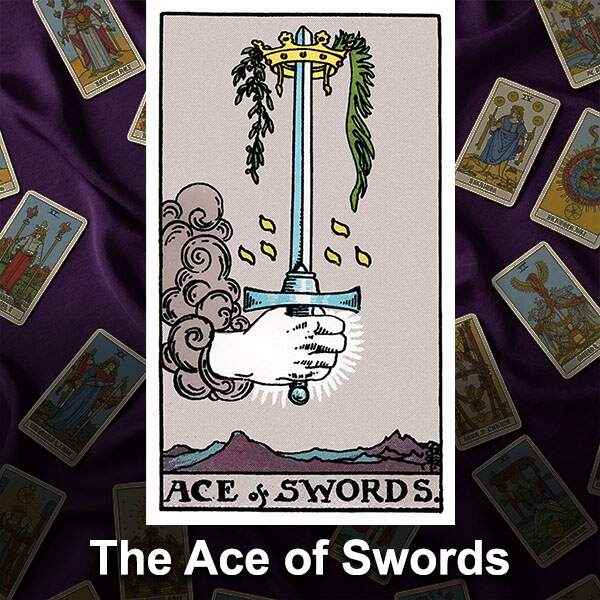
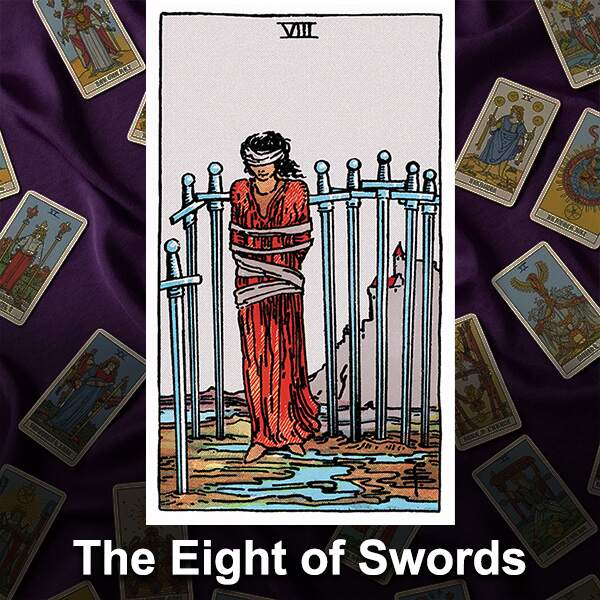
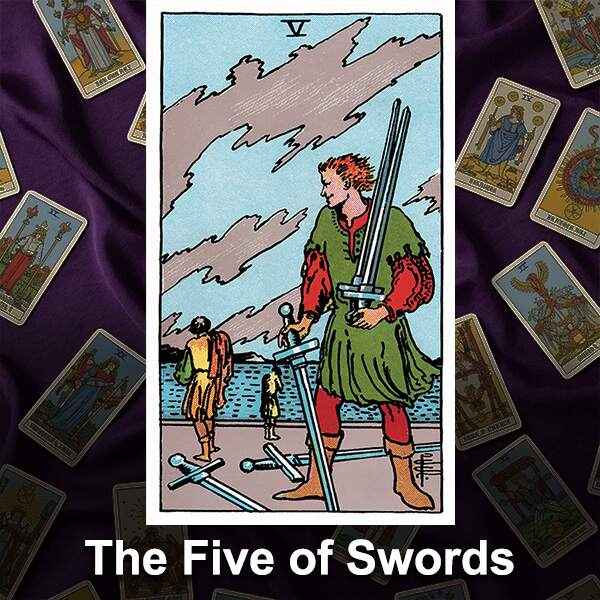
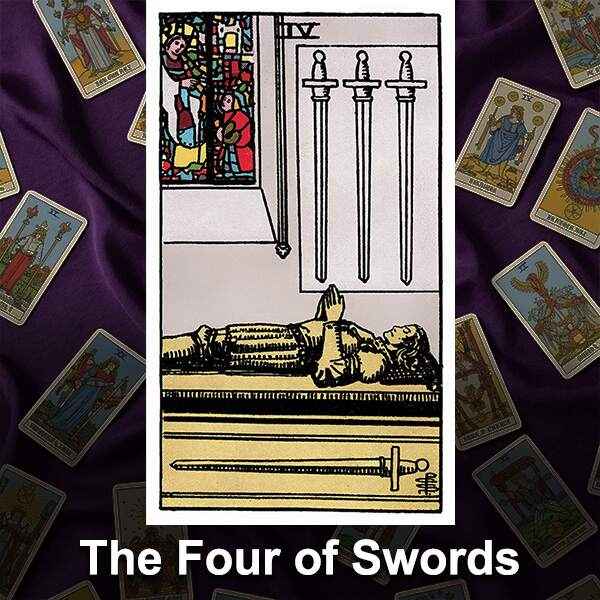
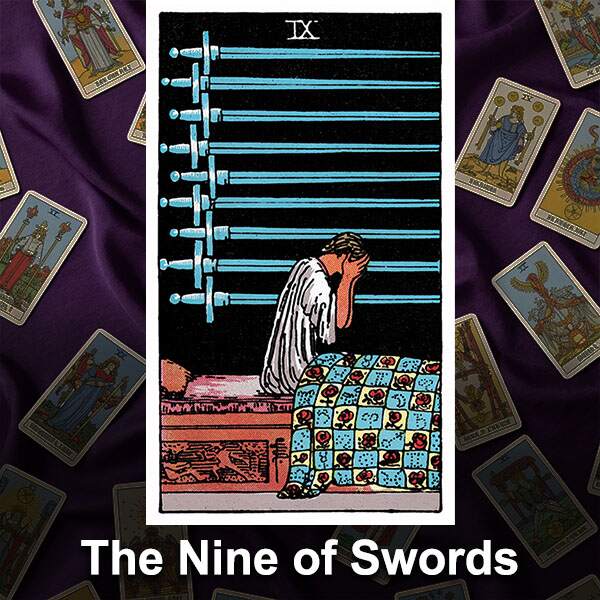
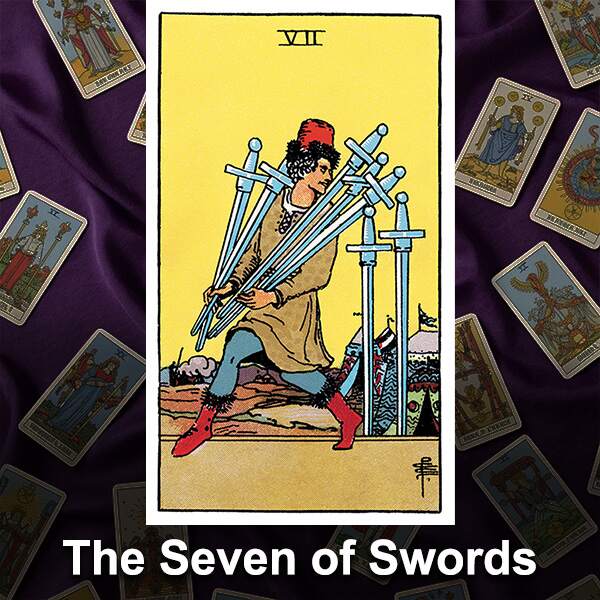
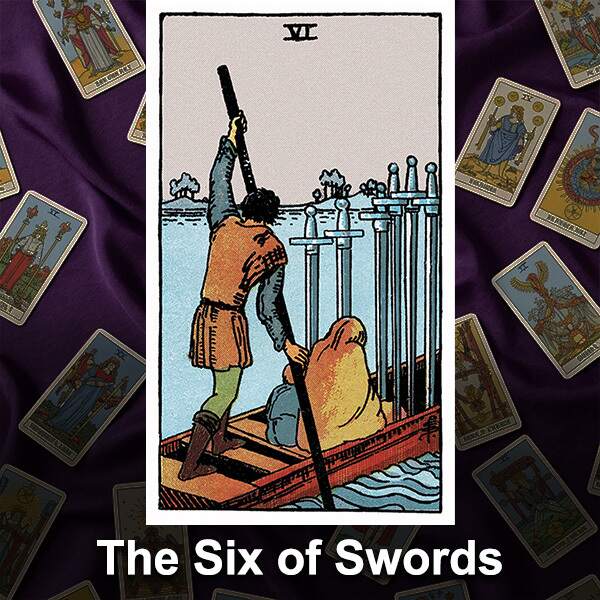
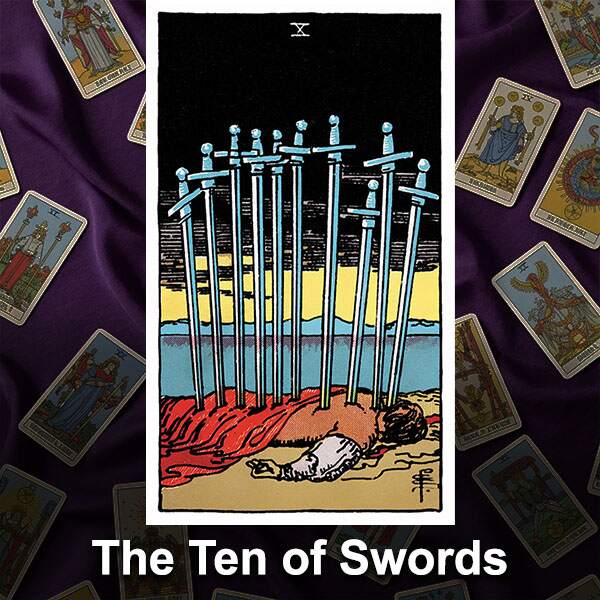
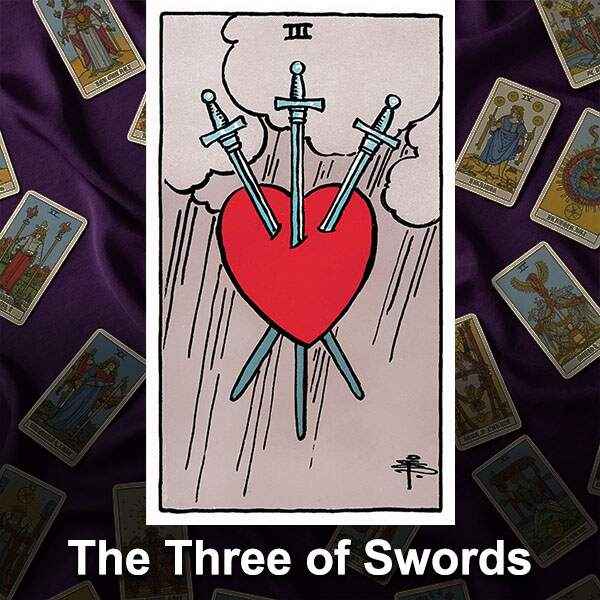
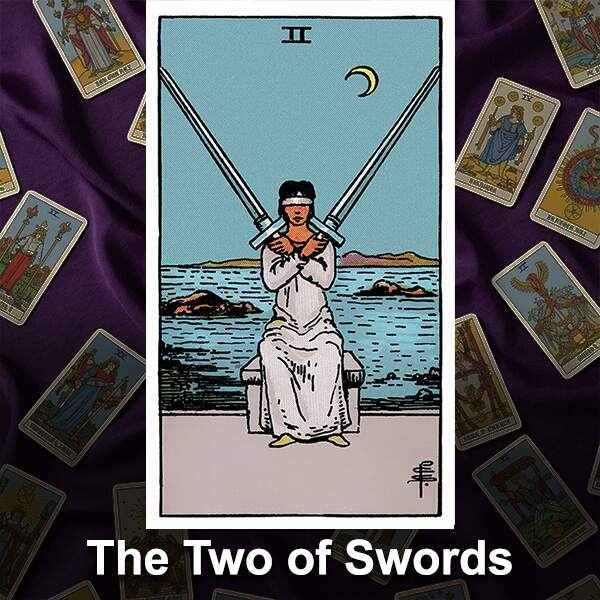
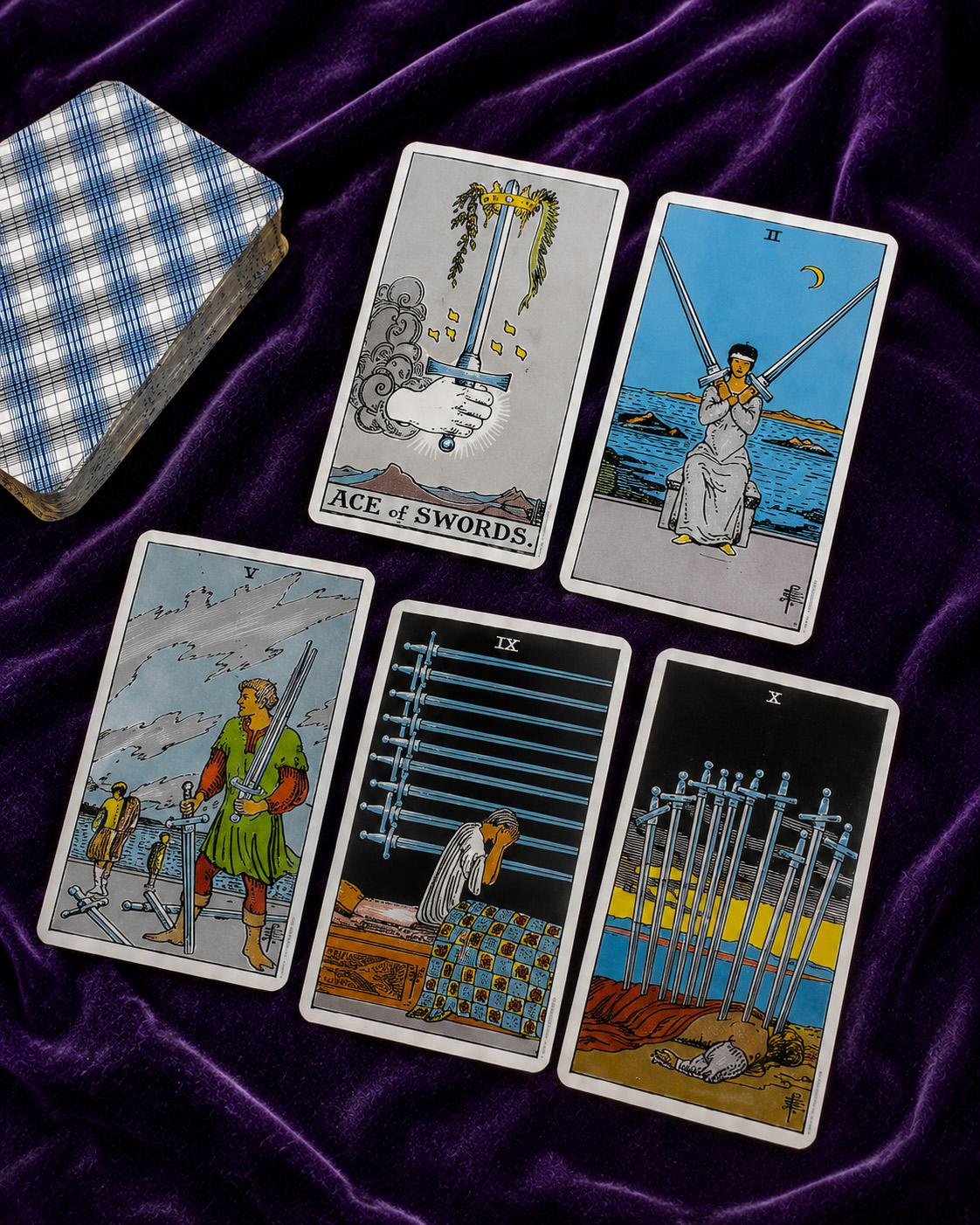
 The Pips of Swords represent the mind, communication, conflict, truth, perception, and decision-making. This suit explores how people think, speak, judge, defend, and sometimes deceive themselves. In tarot, Swords ask a difficult but necessary question: are you seeing reality clearly?
The P.E.N.S.I. method teaches tarot through layered association instead of isolated memorization. As a result, the Pips of Swords become easier to understand through Position, Element, Numerology, Symbolism, and Intuition working together naturally. Instead of memorizing disconnected meanings, you begin recognizing the psychological progression unfolding across the suit.
If you are new, start with the P.E.N.S.I. tarot method before exploring the individual Swords cards.
You should also begin with the Ace of Swords and eventually work toward the Ten of Swords. Together, the suit tells the story of clarity, conflict, intellect, struggle, truth, and eventual transformation through mental experience.
For Swords, always think “struggles of the mental plane.” Plus enjoy the tarot spells I’ve included with each card.
What the Pips of Swords Represent
The Pips of Swords represent the intellectual and psychological dimension of life. These cards govern thoughts, communication, reasoning, conflict, boundaries, strategy, perception, and truth. Consequently, Swords often appear when decisions, tension, or mental pressure become unavoidable.
Unlike Cups, which process emotionally, Swords analyze rationally. This suit values clarity over comfort. Swords would rather expose an uncomfortable truth than maintain a comforting illusion.
These cards frequently point toward:
- Communication and conversation
- Mental stress and anxiety
- Decision-making
- Conflict and tension
- Truth and honesty
- Boundaries and defense
- Logic and analysis
- Strategy and planning
- Psychological patterns
However, Swords are not simply negative or hostile. While the suit often deals with challenge, it also reveals intelligence, discernment, honesty, and mental resilience.
At their best, Swords create clarity and wisdom. At their worst, they become fear, cruelty, obsession, anxiety, or destructive thinking.
All traditional tarot decks, like rider-waite based decks, include all four suits: Pentacles, Wands, Swords and Cups.
Check out all our divination tools. We also have oracle cards, runes, crystal balls, pendulums, spirit boards, scrying mirrors and more.
Core Themes of the Pips of Swords
The central theme of the Pips of Swords is mental confrontation. This suit explores what happens when thoughts become sharp enough to divide illusion from reality.
Because Air constantly moves, Swords rarely remain emotionally still. Therefore, this suit often reflects periods of uncertainty, transition, conflict, or intense psychological activity.
Major Sword themes include:
- Truth and perception
- Communication
- Conflict and challenge
- Mental clarity
- Decision-making
- Anxiety and overthinking
- Boundaries and protection
- Strategy and intellect
- Psychological growth through struggle
The Pips of Swords often reveal internal battles just as much as external ones. Sometimes the conflict exists with another person. Other times, the conflict exists entirely within the self.
The Ace of Swords introduces breakthrough clarity and mental force. Meanwhile, the Ten of Swords reveals the collapse of old thinking patterns after painful endings or realizations.
Elemental and Zodiac Correspondences
The Pips of Swords belong to the element of Air. Air represents intellect, movement, communication, ideas, perception, and consciousness. Unlike Fire, which acts instinctively, Air analyzes before moving.
Swords = Air = Truth Through Awareness.
The zodiac signs connected to Swords are:
Each sign expresses Air differently.
Perception through Gemini appears as curiosity, adaptability, and communication. Libra channels Air into balance, justice, and relational awareness. Aquarius expresses Air through innovation, independence, and intellectual detachment.
The numbered cards also follow Golden Dawn decan correspondences, pairing planetary rulers with zodiac decans. Consequently, every Sword card develops its own psychological atmosphere.
For example:
Two of Swords: Moon in Libra
- Five of Swords: Venus in Aquarius
- Seven of Swords: Moon in Aquarius
- Nine of Swords: Mars in Gemini
- The Ace of Swords stands apart from the numbered sequence and represents the Root of the Powers of Air.
Personality Types Within the Swords
People dominated by Swords energy often appear intelligent, analytical, observant, and mentally quick. They usually value truth and logic, while relying heavily on reasoning to navigate life.
These personalities often:
- Think critically
- Communicate directly
- Notice inconsistencies quickly
- Value independence
- Analyze situations deeply
- Defend boundaries firmly
However, Swords personalities can also become emotionally detached or overly critical. Sometimes they intellectualize feelings instead of processing them. Other times, they become trapped in cycles of worry, suspicion, or mental exhaustion.
This suit frequently reflects writers, strategists, lawyers, researchers, teachers, analysts, communicators, and highly introspective personalities.
Swords people often live in their heads so intensely that silence itself starts sounding suspicious.
Shadow Expressions of the Pips of Swords
When Air energy becomes unbalanced, it grows cold, chaotic, or destructive. Therefore, the shadow side of Swords often manifests psychologically.
The shadow expressions of Swords include:
- Anxiety and overthinking
- Harsh communication
- Deception
- Emotional detachment
- Paranoia and suspicion
- Conflict and hostility
- Mental exhaustion
- Self-destructive thought patterns
The Five of Swords demonstrates ego-driven conflict and hollow victory. Meanwhile, the Nine of Swords reveals anxiety amplified through obsessive thinking and fear.
Even intelligence can become destructive when disconnected from empathy. The Seven of Swords often exposes manipulation, avoidance, or strategic dishonesty.
The Ten of Swords carries one of the harshest images in tarot, yet it also represents finality. Certain mental patterns must end before renewal becomes possible.
Swords remind us that thoughts shape reality, but unchecked thoughts can also imprison it.
Spiritual Lessons of the Swords
The spiritual lesson of Swords centers around awareness and discernment. Air energy teaches that growth often begins when illusion collapses.
This suit repeatedly asks whether you are confronting reality honestly or hiding from uncomfortable truths. Consequently, Swords often appear during periods of awakening, realization, or difficult communication.
Truth + Discernment = Mental Liberation
Swords also teach the importance of boundaries. Clarity requires separation. Therefore, this suit frequently explores cutting away confusion, dishonesty, manipulation, or unhealthy attachment.
However, Swords are not meant to destroy emotion. Instead, they are meant to balance it. The healthiest Air energy combines intelligence with wisdom and honesty with compassion.
Ultimately, the Pips of Swords reveal how consciousness evolves through conflict, perception, communication, and truth.
Sometimes enlightenment looks less like peace and more like finally admitting what you already knew.
Reading Applications for the Pips of Swords
In readings, Swords often indicate tension, communication, decisions, or psychological activity. These cards frequently appear during periods requiring honesty, strategy, or mental endurance.
Positive Swords cards may suggest:
- Clear communication
- Intellectual breakthroughs
- Strong boundaries
- Truth emerging
- Strategic success
- Mental resilience
- Challenging Swords cards may reveal:
- Anxiety and stress
- Conflict and arguments
- Miscommunication
- Harsh truths
- Betrayal or deception
- Overthinking and fear
Timing with Swords tends to move quickly because Air energy spreads rapidly. Therefore, these cards often reflect situations unfolding through communication, information, or sudden realization.
Swords also ask important questions during readings:
- What truth is being avoided?
- What requires clear communication?
- Are thoughts becoming distorted by fear?
- What boundary needs reinforcement?
- What mental pattern must change?
- This suit rarely allows avoidance forever. Eventually, the truth cuts through.
Final Reflection on the Pips of Swords
 The Pips of Swords tell the story of the mind confronting reality.
They begin with clarity and eventually end with collapse, revealing both the power and danger of human thought.
Along the way, the suit explores truth, communication, fear, conflict, strategy, perception, and psychological transformation, while showing how awareness develops through experience.
The Pips of Swords ultimately teach that truth matters, even when it hurts.
Clarity is not always comfortable, but confusion eventually becomes more painful than honesty.
Most importantly, Swords teach discernment. They remind you that wisdom requires both intelligence and self-awareness.
Very uncomfortable self-awareness sometimes.
Still, clarity cuts cleaner than illusion ever will.
 Sign up now, free and secure, so you never miss out on tarot lessons, witchcraft, spells, rituals, or money-saving codes and coupons for both our website and physical store. Additionally, follow us on Instagram, Facebook (Meta) or TikTok to stay connected.